
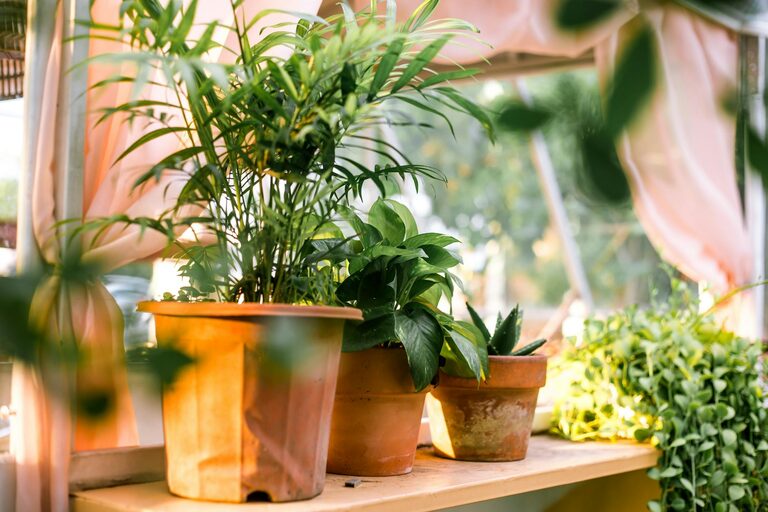
Bringing houseplants into your home is a wonderful way to add life, color, and freshness to your space. However, keeping them healthy requires some attention to their unique needs. Whether you are a seasoned plant parent or just starting out, these tips will help you maintain thriving indoor plants.
Understanding Your Plant’s Needs
Every type of houseplant has different requirements. Knowing what your plant prefers is the first step to successful care.
Light Requirements
Light is crucial for photosynthesis, the process plants use to make food.
– Low light plants: Snake plants and pothos do well in corners or rooms with indirect light.
– Medium light plants: Peace lilies and spider plants thrive near windows with filtered light.
– Bright light plants: Succulents and cacti prefer direct sunlight for several hours each day.
Watering Guidelines
Overwatering is a common cause of plant problems. Conversely, underwatering can cause wilting and dry leaves.
– Check the soil moisture before watering by sticking your finger about an inch deep. If it feels dry, it’s time to water.
– Water thoroughly until excess drains from the bottom of the pot, ensuring good root hydration.
– Use pots with drainage holes to prevent standing water that leads to root rot.
Creating the Right Environment
Indoor plants often adapt well, but some environmental factors impact their health.
Humidity
Many houseplants, especially tropical varieties, need moderate to high humidity.
– Increase humidity by misting leaves regularly.
– Group plants together to create a micro-humid environment.
– Use a humidifier during dry winter months.
Temperature
Most houseplants do well in typical indoor temperatures (65–75°F or 18–24°C).
– Avoid places with sudden temperature changes, like near heaters, air conditioners, or drafty windows.
– Keep plants away from cold windows in winter to prevent stress.
Feeding Your Plants
Nutrient availability from soil decreases over time, so feeding is necessary.
– Use a balanced, water-soluble fertilizer every 4–6 weeks during the growing season (spring and summer).
– Follow package instructions to avoid over-fertilizing, which can harm roots.
– Reduce or stop fertilizing in fall and winter when growth slows down.
Routine Maintenance for Healthy Plants
Maintaining your plants regularly helps catch problems early and promotes growth.
Pruning and Cleaning
– Remove dead or yellowing leaves to keep plants looking tidy and healthy.
– Trim leggy growth to encourage fuller, bushier plants.
– Clean leaves with a damp cloth to remove dust, improving their ability to photosynthesize.
Repotting
– Repot when the plant outgrows its current container or soil quality declines.
– Choose a pot slightly larger than the current one.
– Replace old soil with fresh potting mix suited to your plant’s type.
Preventing and Managing Common Problems
Even with care, issues can arise. Early detection and treatment help your plants recover.
Pests
Common indoor pests include spider mites, aphids, and mealybugs.
– Inspect plants regularly for small insects or sticky residue.
– Use insecticidal soap or wipe leaves with a mild solution of water and dish soap.
– Isolate affected plants to prevent spreading.
Diseases
Root rot from overwatering and fungal infections can threaten plant health.
– Avoid water accumulation in pots and trays.
– Improve air circulation around plants.
– Remove affected parts immediately if you notice discoloration or mushy stems.
Final Thoughts
Caring for houseplants doesn’t have to be complicated. With a little attention to light, water, environment, and routine maintenance, your indoor garden can flourish beautifully. Enjoy the calming presence and natural beauty that healthy plants bring to your home!